

The technology I envy in Eternal Sunshine
Forget your ex and keep everything else intact? Working with AI has given me a new appreciation for a fictional memory-erasure company.
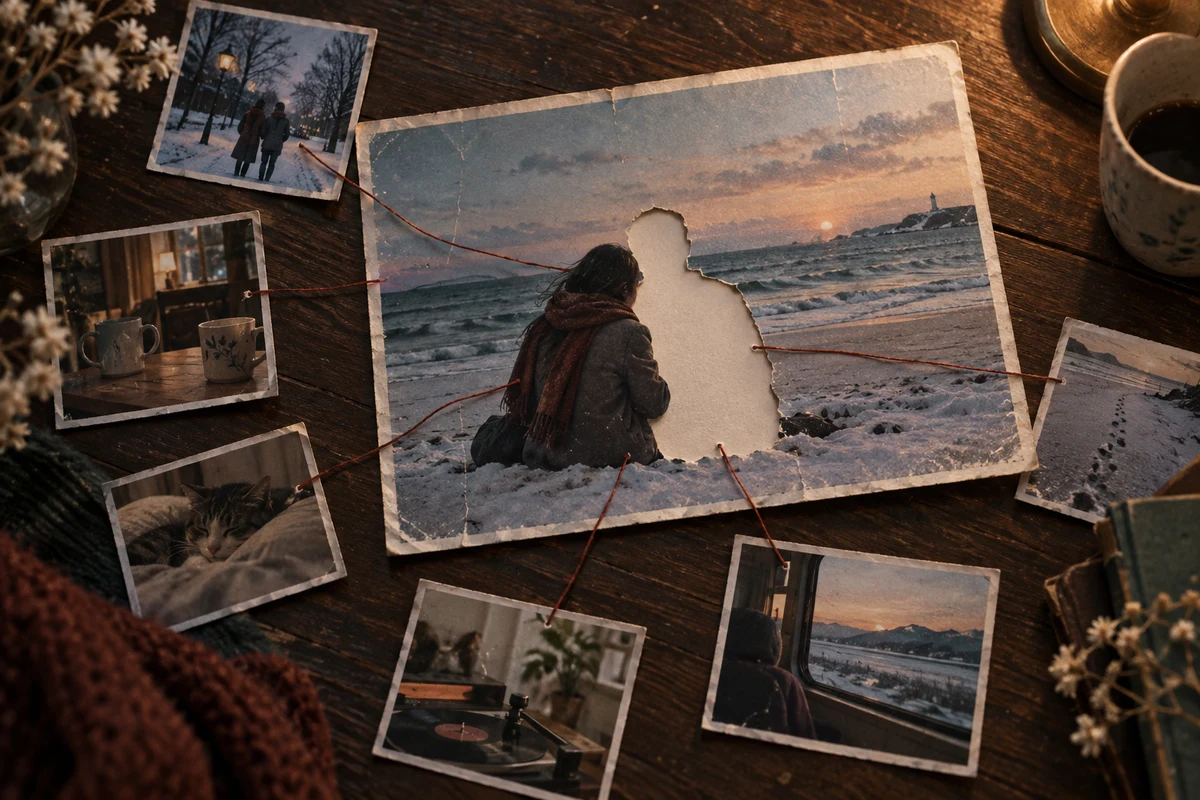
Spoilers for Eternal Sunshine of the Spotless Mind.
In Eternal Sunshine of the Spotless Mind, a company erases memories of former lovers. Clementine erases Joel first. When he finds out, he goes in to have his memories of her removed too.
At first, I found the premise sad. How much must it hurt to want to lose all that time together?
But after working with AI models, something else caught my attention.
They removed just that person, and everything else still works?
He forgets his ex, but he can still talk, take a train, and get through the day. He does not seem to forget his address or lose the ability to do his job.
Erasing memories is impressive. Leaving the other memories alone seems even more impressive.
I would like a word with their engineering team.
Working with AI inspires similar wishes. A model is too big, so you quantize it. It refuses too many reasonable requests, so you adjust its refusal behavior. Then you run it through the things it used to do well.
It answers, but the wording seems off. It gets a familiar problem wrong. You check the settings again, wondering what else you changed along the way.
Of course, quantization reduces numerical precision, while changing refusal behavior is a different operation. Neither involves cutting out a particular memory. Research into making a model forget specific knowledge has its own name: unlearning.
The methods differ, but the wish is similar.
Just make it smaller. Just reduce the refusals. Just forget that information.
Easy to say. The hard part is ‘just.’
That is why Lacuna’s promise to erase only the memories of an ex suddenly seems remarkable. I spend ages checking whether a modified model still does what it used to. They do this to people.
If memories lived in folders, it would be simple. Find the Clementine folder and delete it. Empty the trash if you think you might change your mind.
But think about one person, and it cannot possibly be that tidy.
The beach you visited together. The grilled clams you ate there. The song playing on the drive home. A film you watched because they liked it, which you now love even more than they do. Something they said during an argument. It stung, but later you realized they had a point, and changed a habit.
How much of that has to go before you can say you have forgotten them?
Can you remember the restaurant but forget who sat across from you? If the restaurant goes too, do you forget how good the food was?
The breakup was bad enough. I would rather not lose a reliably good restaurant as well.
If this service actually existed, I would start by reading the consent form.
‘Memories associated with the designated person will be erased. Some music preferences and restaurant recommendations may also be lost. In rare cases, you may forget your Netflix password, even if it has no connection to the designated person.’
‘Why Netflix?’
‘Results vary.’
I would read the reviews carefully too.
‘Definitely forgot my ex. Also forgot the entry code to my building. Had to call someone from outside.’
Manageable, I suppose. But a review like this would make me reconsider the appointment.
‘Having trouble remembering Excel formulas since the procedure. You said it would not affect my work. Please look into this.’
With AI, checking that the change worked and checking that existing abilities survived are separate jobs. Fewer refusals do not necessarily mean better answers. A smaller model is little use if it can no longer do the work you need.
Memory erasure would be much the same.
You cannot show someone a photograph of Clementine, hear ‘Never seen her before,’ and call the examination complete. Can they find their way home? Do they remember what they need for work? Are their memories of other people still there?
I would probably prepare a work-related test before the procedure. If my score dropped afterward, I would want to bring it up.
Except afterward, I might look at a question I got wrong and assume I never knew the answer in the first place.
Asking someone who has lost their memories to assess the quality of a memory-erasure service is trickier than it sounds.
The film, of course, goes somewhere else. Joel changes his mind while his memories are being erased. Among the memories he wanted gone, he discovers moments he wants to keep.
After a breakup, the ending can be so vivid that everything before it feels like a mistake. But watching those moments disappear, one by one, might remind you that the good parts were real too.
It was not the evening you spent laughing together that you wanted to lose.
The problem was how much it hurt to remember it now.
That distinction might not occur to you while signing the form.
What makes it more bittersweet is that the two people are drawn to each other again after their memories are erased.
Perhaps they forgot their time together, but kept the reasons they liked each other.
If the procedure must also change which expressions move you, which jokes make you laugh, and why you like that particular kind of person, its scope becomes much too large.
You went in to forget someone. Now you have to change your own tastes and personality. That was more than you had in mind.
So I envy Lacuna’s technology, but I would hesitate to use it. I am not sure I could draw an accurate boundary around the memories I want erased. Even tastes I consider entirely my own may carry a little of that person.
Still, I could at least go for a consultation.
‘I would like to forget this person.’
‘Of course.’
‘But please keep the restaurants they recommended.’
‘Those are related memories. They may be erased too.’
‘Give me a minute, then.’
First, I need to write down the addresses.